
I watched Silent House last night and realized something halfway through: I wasn’t just scared… I felt physically uncomfortable.
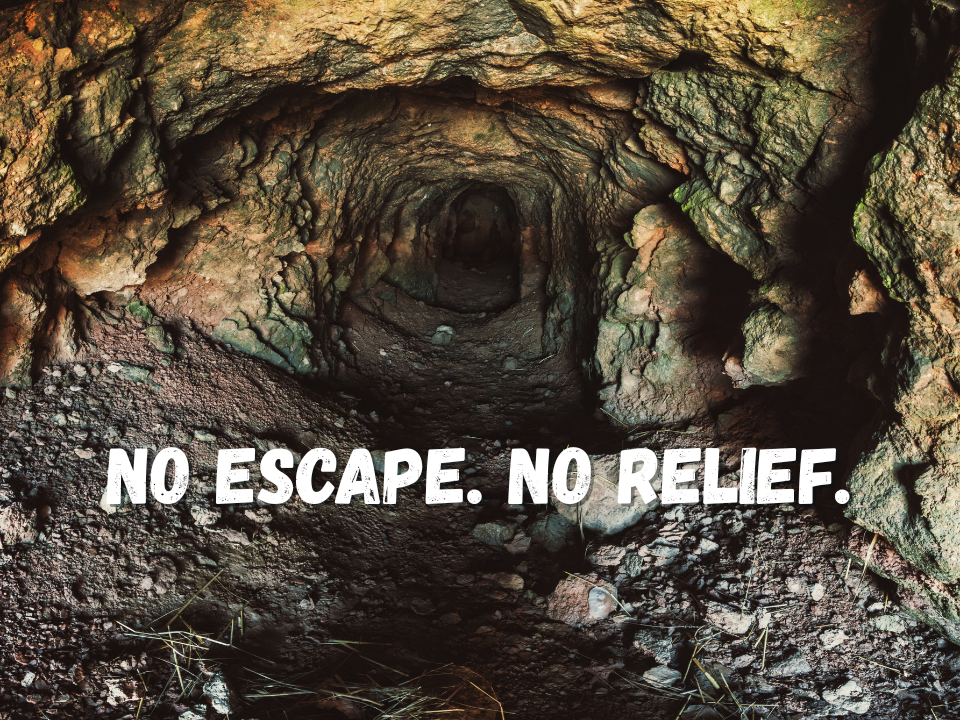
For most of the movie, it feels like you’re stuck inside a dark house with no sense of where you are, no clear exits, and no relief. The camera never really gives you a break. There are no wide exterior shots, no moment to reset. Just darkness, movement, and that creeping sense that something is wrong — even when nothing is happening.
That’s when it hit me: some horror movies don’t rely on jump scares or gore. Instead, they trap you. They make you feel claustrophobic, disoriented, and anxious – like you’re stuck inside the space with the characters.
These are the horror movies that don’t let you breathe.
What Is Claustrophobic Horror?
Claustrophobic horror isn’t just about small spaces. It’s about lack of escape.
These films often:
- Take place in a single location (or feel like they do)
- Use darkness or limited lighting
- Stick closely to one character’s point of view
- Avoid “relief shots” that remind you it’s just a movie
- Let tension simmer instead of releasing it
You’re not watching from a safe distance — you’re inside the experience.
Silent House (2011)
A near-constant, roaming camera follows a woman through a dark, unfamiliar house. You never fully understand the layout, and that’s the point. The movie feels like being lost inside someone else’s panic — every hallway looks the same, every sound feels threatening. It’s exhausting in the best way.
Best for: viewers who love atmosphere and slow-burn tension
Skip if: you need clear answers or fast pacing
The Descent (2005)
One of my fave movies! Few movies understand claustrophobia like this one. Tight cave passages, collapsing tunnels, and total darkness combine into pure physical dread. Even before the horror elements fully kick in, the environment alone is terrifying.
Best for: anyone who hates tight spaces (or wants to challenge themselves)
Skip if: caves already make you anxious — this will not help
Relic (2020)
This one isn’t claustrophobic the entire time — but when it is, it hits hard – I still think about this scene sometimes. The story centers on three generations of women returning to a grandmother’s house, and for most of the film the horror is quiet and emotional. Then there’s a brief moment where the space itself feels wrong: hallways stretch, rooms tighten, and the sense of being able to turn back disappears. It’s subtle, unsettling, and incredibly effective without relying on traditional scares.
Best for: fans of atmospheric, metaphor-driven horror
Skip if: you prefer constant tension throughout
Hereditary (2018)
This isn’t a claustrophobic movie overall — but when it tightens, it really tightens. Much of the horror unfolds in ordinary domestic spaces, which makes the moments set in smaller, more confined areas feel especially unsettling. The sense of being boxed in creeps up quietly, turning familiar rooms into places you suddenly don’t want to be. It’s slow, oppressive, and sticks with you more than you expect.
Best for: viewers who like slow-burn, emotionally heavy horror
Skip if: you want immediate scares or fast pacing
As Above, So Below (2014)
I love this one! This one starts out feeling relatively open and then gradually takes that space away. As the movie progresses, the environment compresses into tighter tunnels, narrower passages, and spaces that feel harder and harder to escape. Several scenes lean fully into spatial panic, where moving forward feels inevitable and turning back doesn’t feel like an option.
Best for: fans of found footage and descent-style horror
Skip if: tight spaces already trigger your anxiety
The Night House (2020)
The claustrophobia here is subtle and psychological rather than physical. The film uses negative space and strange interior layouts to make rooms and hallways feel off, as if the house itself is quietly closing in. Nothing is overt, but the unease builds as spaces feel less stable and less safe the longer you sit with them.
Best for: atmospheric, mood-driven horror fans
Skip if: you prefer clearly defined threats
Don’t Breathe (2016)
This movie is claustrophobic almost by design. Once the story moves inside the house, space becomes the enemy — rooms feel tighter, movement feels restricted, and every sound suddenly matters. Darkness and silence do a lot of the work here, making the house feel less like a setting and more like a trap. It’s tense, physical, and relentless without relying on supernatural elements.
Best for: viewers who love high-tension, edge-of-your-seat horror
Skip if: you prefer slower, more atmospheric builds
Oxygen (2021)
This movie wastes no time making you feel trapped. Nearly the entire story unfolds in an impossibly small, enclosed space, with no clear sense of how or why the character ended up there. The claustrophobia is immediate and constant, driven by isolation, limited movement, and the pressure of survival itself. It’s tense in a quiet, suffocating way that never really lets up.
Best for: fans of contained, high-concept survival horror
Skip if: extreme confinement stresses you out more than you enjoy
Buried (2020)
This is claustrophobia taken to its absolute limit. The entire movie takes place in a single, confined space, with no visual relief and no escape. Every shift in lighting or sound feels monumental, and the tension comes from how little control the character has over their surroundings. It’s minimal, relentless, and physically uncomfortable to watch.
Best for: viewers who can handle sustained, high-stress tension
Skip if: the premise alone makes you anxious
Green Room (2015)
This movie becomes claustrophobic without relying on darkness or surreal visuals. Once the characters are confined to a small backstage space, every decision feels constrained and every exit feels dangerous. The tension comes from being physically boxed in and knowing that leaving isn’t necessarily safer than staying. It’s brutal, grounded, and intensely uncomfortable in a very real way.
Best for: viewers who like realistic, nerve-shredding tension
Skip if: you want something more atmospheric or abstract
Claustrophobic horror works because it doesn’t let you stay detached. These movies don’t just scare you – they trap you, shrink the world around you, and make you sit inside the discomfort. Whether it’s a house, a cave, a hallway, or something even smaller, the fear comes from not knowing how to get out – or if getting out is even possible.
If you finished any of these films feeling tense, restless, or like you needed to take a deep breath afterward… that’s exactly the point.
Did I miss a movie that made you feel boxed in, trapped, or quietly panicked? Let me know in the comments!
Leave a Reply